Biodiversity Net Gain
Landscape Plans
Enhance biodiversity with customised landscape plans.
We design bespoke BNG landscape plans that are tailored to meet BNG targets and policies, enhance local biodiversity and ecosystems, and are expertly designed to fit any landscape. With long-term sustainability as a focus, we also create 30-year management plans for them that ensure the longevity of the landscape and its biodiversity.
BNG landscape plans typically consist of ecological site assessments (before and after), a site masterplan, a planting plan and a 30-year management plan.

BNG Site Masterplan
Ensure your landscape meets Biodiversity Net Gain (BNG) and Urban Greening Factor (UGF) requirements effortlessly. Working with top ecologists, we design tailored solutions that could include adding green roof spaces, creating biodiverse micro habitats, woodlands, ponds, and meadows. These enhancements not only bring your project into compliance but also enrich your space with natural beauty and sustainable, ecological value.

BNG Planting Plan
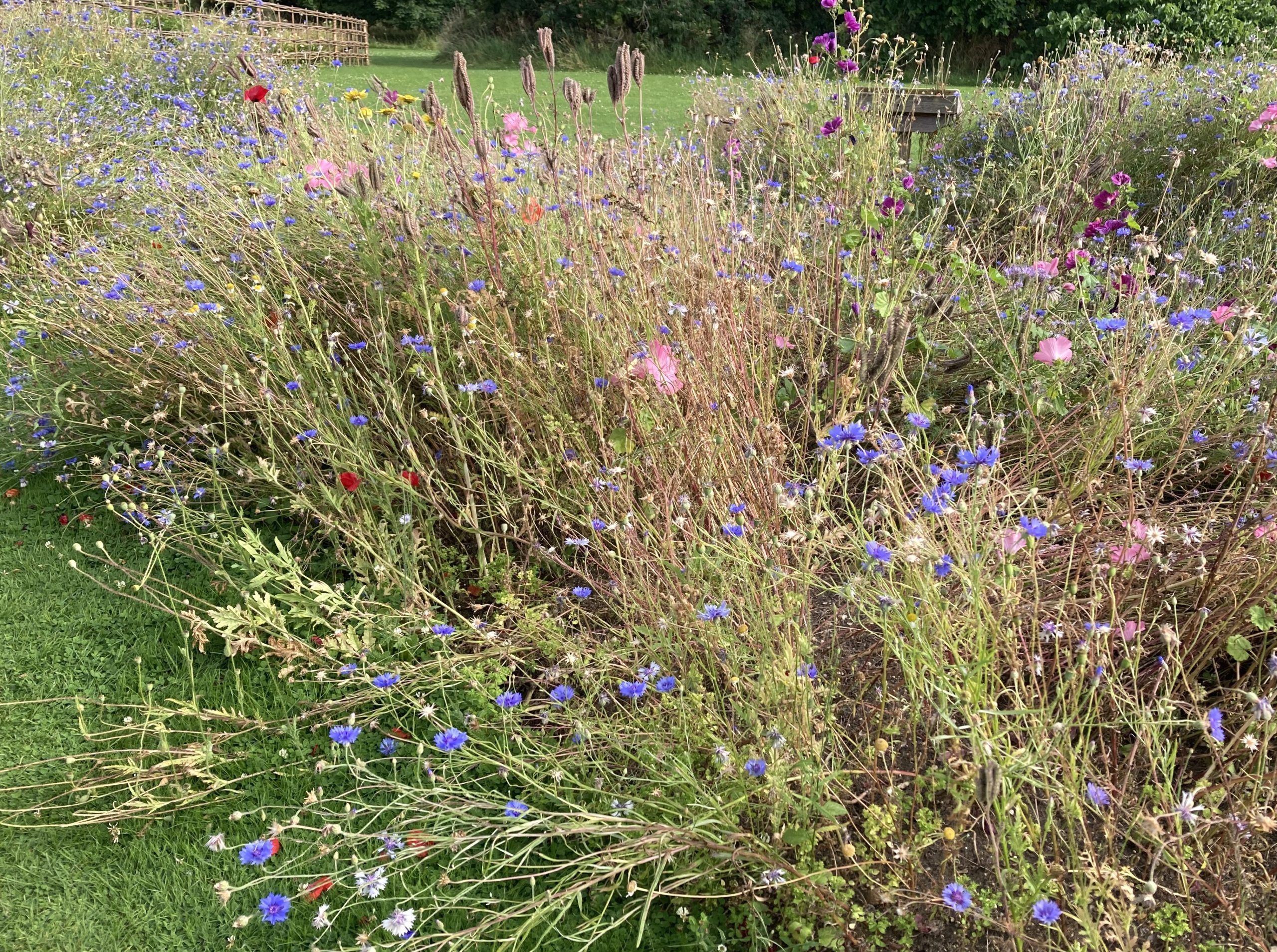
Transform your landscape with a planting plan that prioritises tree preservation, native species, and rich wildflower meadows. These carefully selected plantings boost biodiversity, create inviting habitats for wildlife, and restore local ecosystems—helping you meet Biodiversity Net Gain requirements while enhancing the natural beauty and ecological health of your space.
BNG 30-year Management Plan
Secure the long-term success of your landscape with a management plan focused on sustained ecological health. Our comprehensive plans make it simple to achieve and enhance Biodiversity Net Gain, offering detailed timelines, maintenance schedules, and adaptive strategies. With consistent monitoring and reporting, you’ll enjoy peace of mind knowing your landscape is thriving sustainably for years to come.
Biodiversity Net Gain Planning Questions
Does my development need Biodiversity Net Gain?
In England, Biodiversity Net Gain is mandatory for most developments that need planning permission, although there are exemptions. From 6th August 2026, developments with a site area of 0.2 hectares or below are generally exempt. There are also separate exemptions for some very small habitat impacts and certain temporary developments. Priority habitat can affect whether an exemption applies, so it is worth checking the site rather than assuming a small development is automatically exempt.
If you are unsure whether BNG applies to your development, Locorum can help you establish what is likely to be required before you commit to a full Biodiversity Net Gain plan.
What do I need to submit for Biodiversity Net Gain planning approval?
Where BNG applies, the planning process includes a Biodiversity Gain Plan showing how the development will achieve the required net gain. The supporting information normally includes the completed statutory biodiversity metric and plans showing the habitats before and after development. If off-site biodiversity units or statutory credits are being used, further evidence is required.
The Biodiversity Gain Plan is normally submitted after planning permission has been granted, but development cannot begin until it has been approved by the local planning authority. This is why it helps to consider Biodiversity Net Gain planning earlier, while the wider landscape and development are still being designed. Locorum works with ecologists to turn the ecological requirements into a practical landscape proposal, including planting plans and long-term management where needed.
How is the 10% Biodiversity Net Gain requirement calculated?
The 10% requirement does not mean simply adding 10% more planting. Biodiversity is measured using the statutory biodiversity metric, which converts habitats into biodiversity units. The calculation looks at the type and condition of habitat, along with its size and strategic significance. For new or enhanced habitat, the metric also considers how difficult it will be to create and how long it is expected to take to reach the required condition.
The development must deliver at least a 10% increase in biodiversity value compared with the pre-development position. An ecologist will normally establish the existing biodiversity value, while the landscape design is developed around achieving the required gain in a way that works with the wider project.
Can Biodiversity Net Gain be achieved on the development site?
Yes. Many developments can provide some or all of their Biodiversity Net Gain within the site itself. This may involve creating new habitat or improving existing areas so they provide greater biodiversity value. Where the required gain cannot be achieved entirely on-site, registered off-site biodiversity units can also be used. Statutory biodiversity credits are available where the necessary gain cannot be achieved through those routes and are intended as a last resort.
For projects in North London, looking at BNG alongside the landscape design can often reveal practical opportunities to create habitat without treating biodiversity as something separate from the rest of the development.
What is a 30-year Biodiversity Net Gain management plan?
Creating habitat is only part of Biodiversity Net Gain. Significant on-site habitat improvements and registered off-site gains generally need to be maintained for at least 30 years, so there needs to be a clear plan for how those habitats will be managed over that period.
A 30-year Biodiversity Net Gain management plan explains how the landscape should be maintained so the promised biodiversity gains have a realistic chance of being achieved and retained. Where significant on-site gains are involved, information on management and monitoring forms part of the wider Biodiversity Gain Plan requirements. Locorum prepares 30-year management plans alongside BNG landscape plans, allowing the long-term care of the landscape to be considered from the start rather than added later.
When should Biodiversity Net Gain be considered in a development project?
As early as possible. BNG can affect how much space needs to be retained for habitat and what can realistically be created within the site. Leaving it until the rest of the development has already been designed can reduce the available options or create additional work later.
Using the biodiversity metric during the design process allows the development team to understand likely habitat losses and test ways of achieving the required gain. Biodiversity Net Gain should therefore be considered throughout planning rather than treated as something to deal with only after planning permission has been granted. If you are at an early stage, Locorum can work alongside your ecologist and wider project team so the BNG landscape plan is considered while there is still room to make sensible design decisions.