Garden Design and Restoration in Hampstead, North London
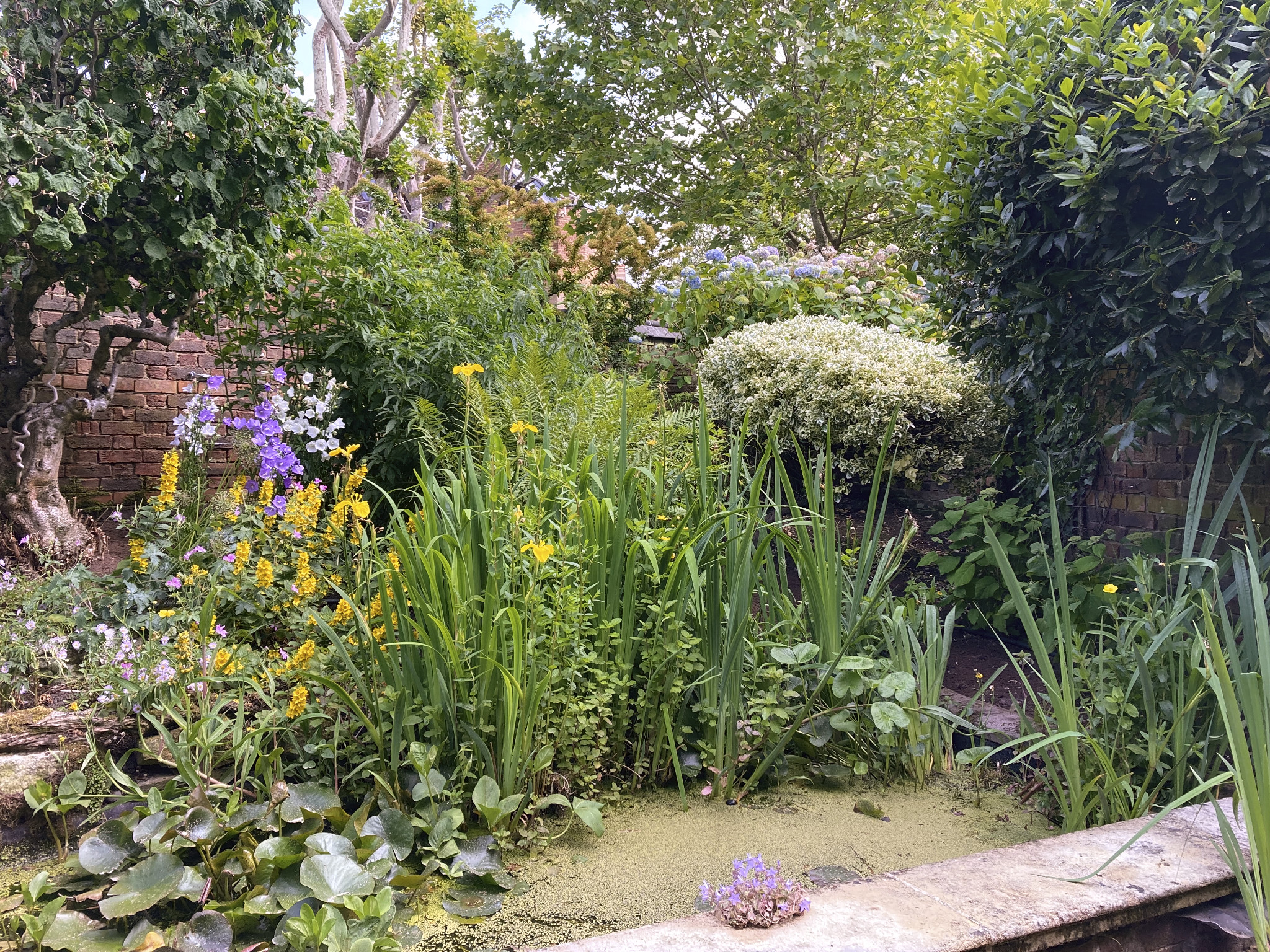
This garden in Hampstead belongs to a detached house designed and built in the 1970s, with large windows that look directly onto the garden and make the outside space an important part of how the house is experienced. By the time I first saw it, the garden had been left to grow for too long and the original structure had become difficult to read. Some plants had taken over, different areas had merged into one another and the pond was almost hidden, so although there was clearly a mature garden underneath, it no longer felt easy to move through or enjoy.
The clients did not want to start again, and neither did I. There was too much worth keeping, so the garden design became more about editing and restoring what was already there, then adding new planting only where it was needed. The aim was to bring back the original structure of the garden, make the planting feel intentional again and give the house a much stronger view outside, while still keeping the maturity that had taken years to develop.
Restoring a Mature Hampstead Garden
The first job was to understand what was worth keeping and what had started to dominate the space. Some plants had grown so strongly that they were crowding out everything around them, while others had lost their shape or were hiding features that had once been important. Rather than clearing the garden heavily, we worked through it gradually, pruning back mature plants and removing the species that had taken over so the original design could start to show itself again.
That process made a big difference quite quickly because the structure was already there, it had just become buried under too much growth. Once the planting was opened up, individual specimens could be seen properly and the garden started to feel more organised without losing its established character.
Revealing the Pond and Existing Structure
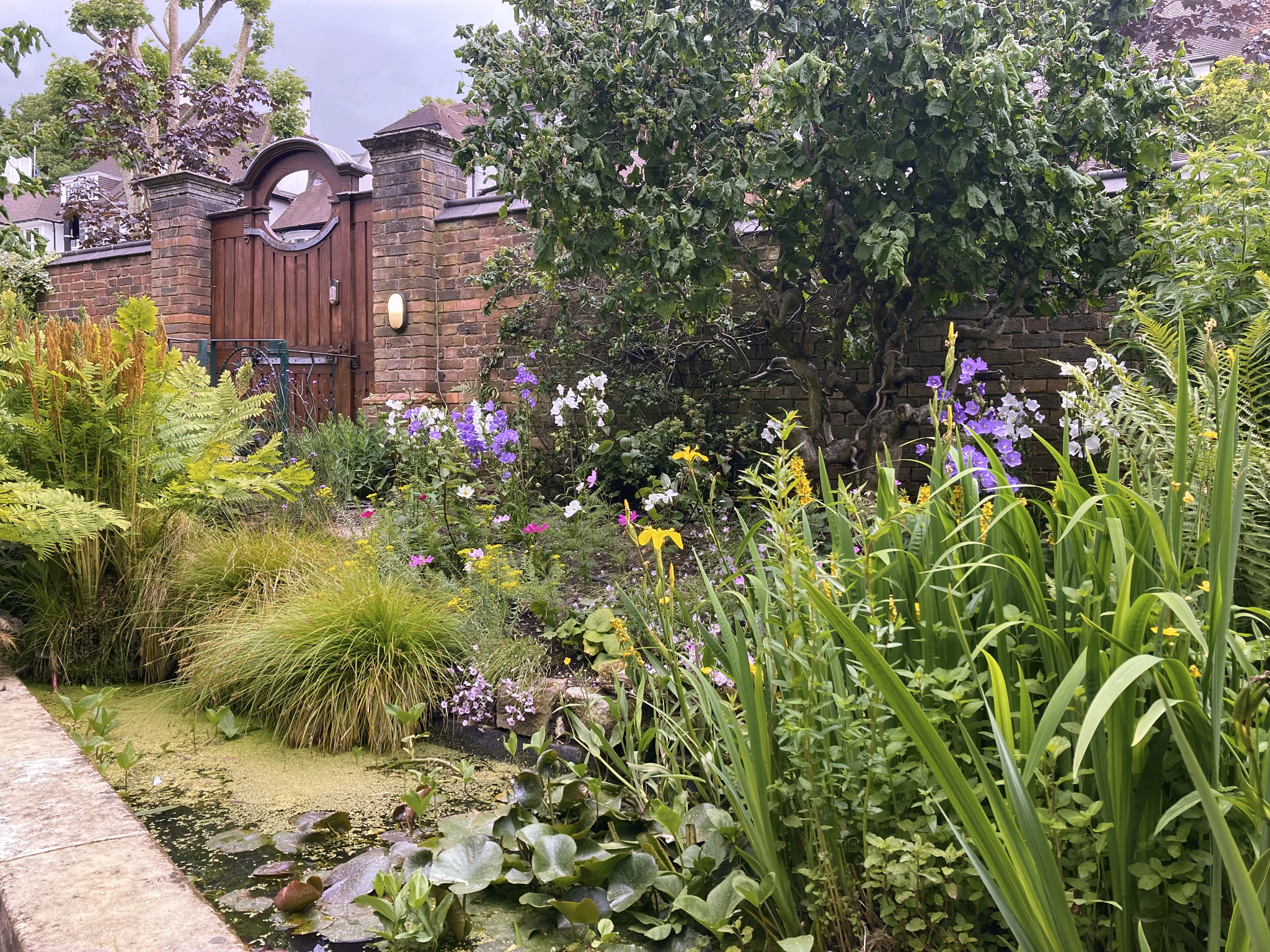
The pond had almost disappeared from view when we first arrived, so opening that area up became an important part of the restoration. The surrounding planting was reduced and reshaped so the water could be seen again, which immediately gave that part of the garden more definition and helped bring back a feature that had clearly been intended to play a bigger role in the original design.
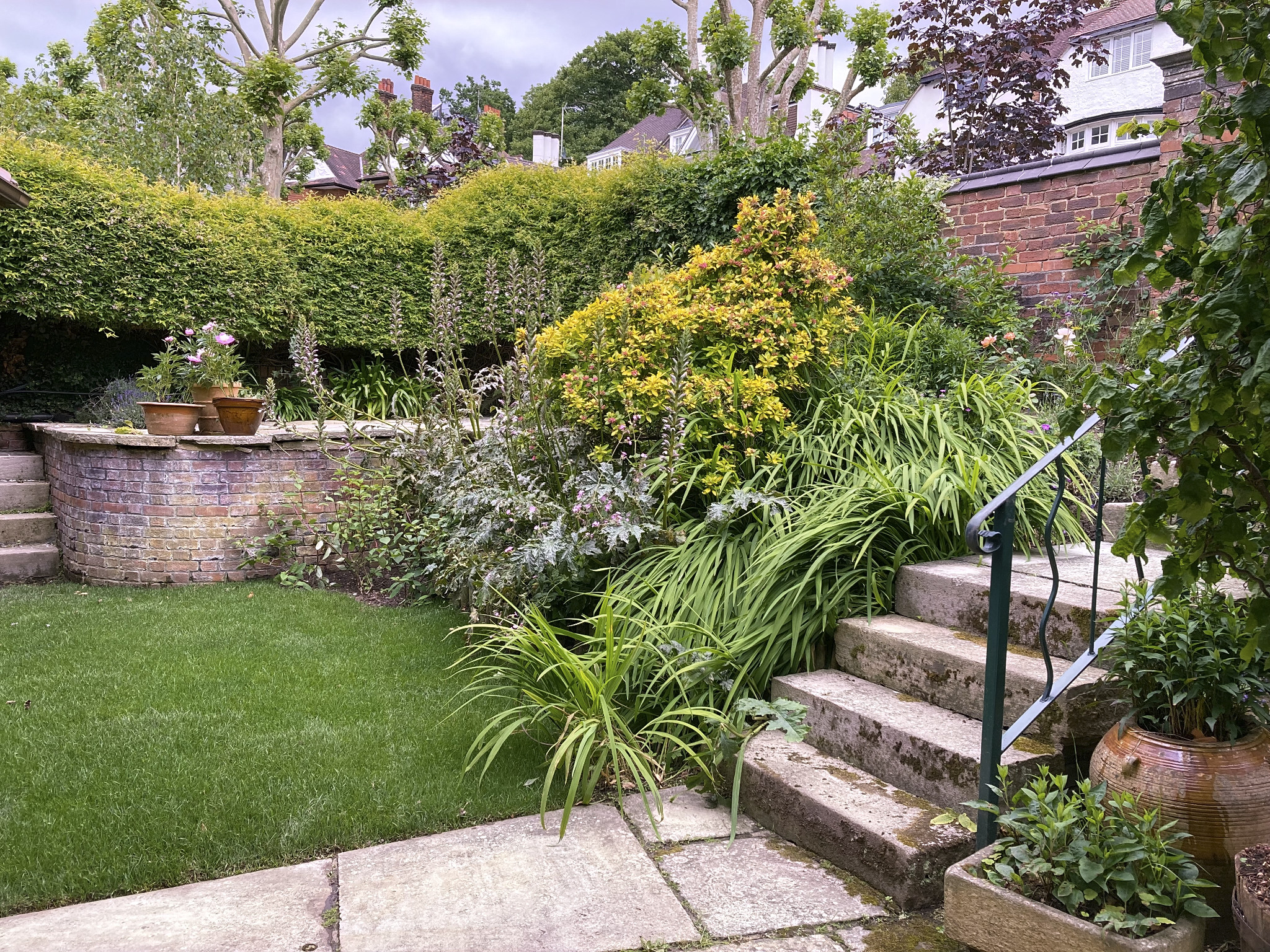
The same approach was used elsewhere. Rather than introducing new structure for the sake of it, we looked for the parts of the garden that were already working underneath the overgrowth and gave them enough space to become visible again. That meant shaping mature plants properly and creating clearer separation between them, so the garden felt less chaotic while still remaining full and established.
Planting Design for an Established North London Garden
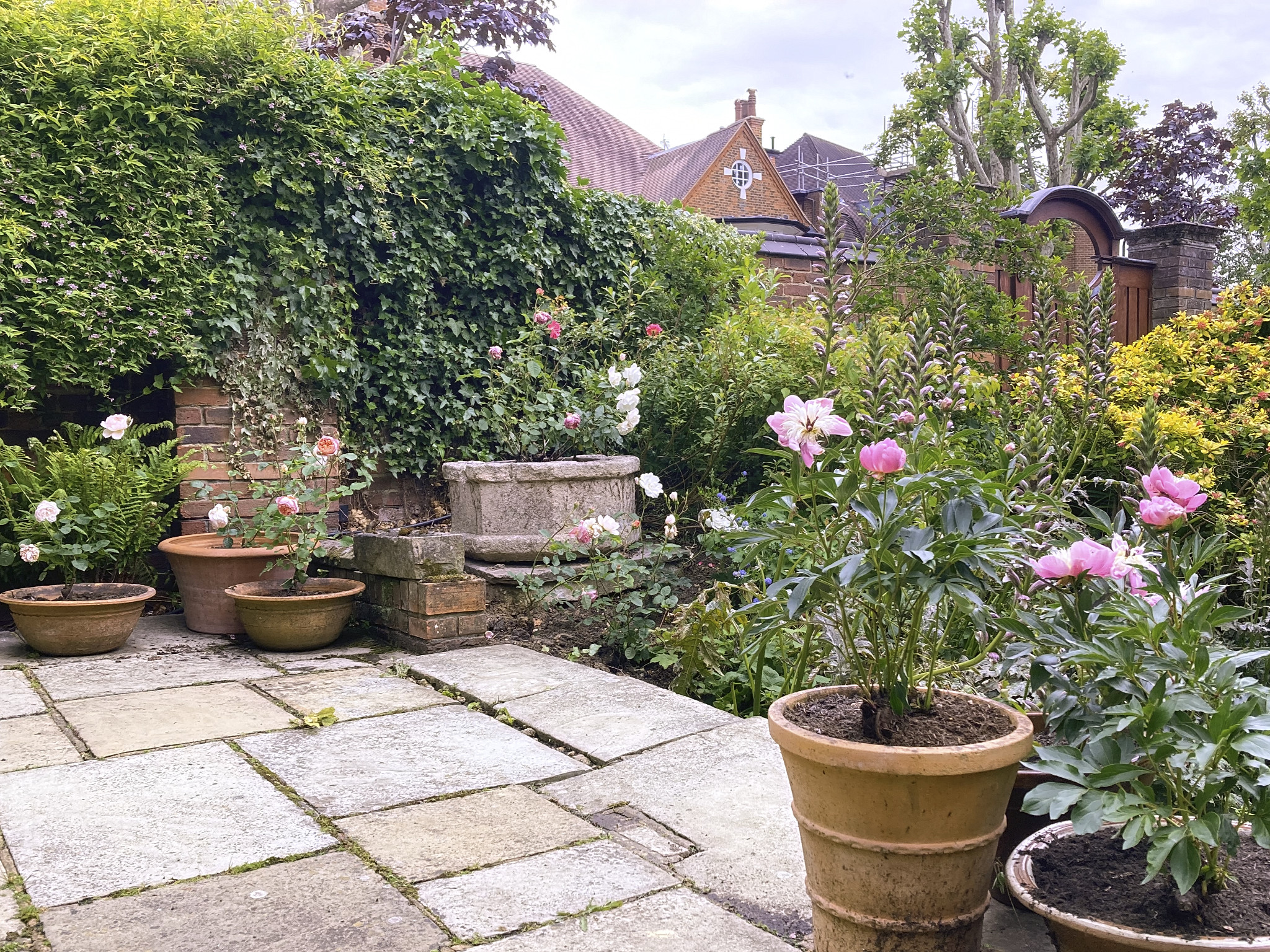
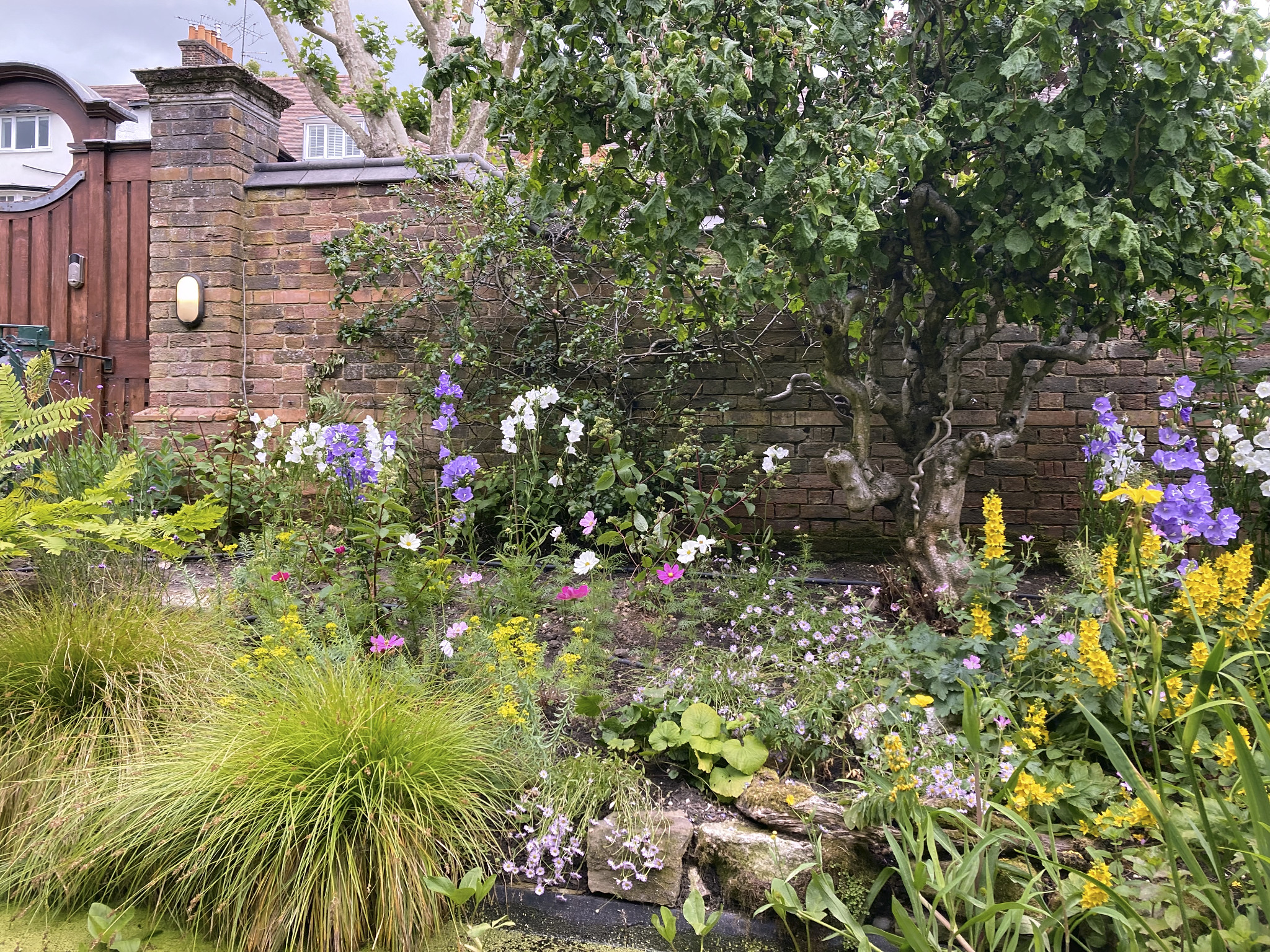
The planting already had several useful layers, including mature plants that provided good structure throughout the garden. These were kept and given more room, while new plants were introduced where gaps had appeared or where the balance had been lost.
Because the clients wanted the garden to look significantly better straight away, the new planting needed to make an immediate contribution rather than waiting several seasons to settle in. That meant choosing plants that were already at a strong stage of growth and using them carefully, so the new additions sat comfortably alongside the mature planting rather than making parts of the garden feel newly planted.
What mattered most was getting the balance right between order and the natural character that had developed over time. The garden did not need to become neat in a formal sense, but the planting needed enough definition that individual plants could be appreciated rather than disappearing into one continuous mass.
A Garden Design That Works With the House
The large windows of the house made the view into the garden especially important, so the restoration was not only about how the garden felt when you were outside. It also needed to work as a backdrop to the house and give the clients something worthwhile to look at from inside.
By opening up the planting and restoring the pond, the garden became much easier to read from the house as well as from within the space itself. The mature planting still gives the garden depth, but there is now much more definition, which makes the whole garden feel calmer without taking away the character that was already there.
Restoring the Garden Without Losing Its History
What worked particularly well was that the garden still feels like the same garden, just properly looked after and understood again. We did not clear it indiscriminately or replace mature planting simply because it had become overgrown. Instead, we worked with what was there and tried to respect the original intention behind the garden while making it usable and attractive again.
The client’s response summed that up very well:
“I very much appreciate the care and attention you provided for the plants and animals at the garden over the past nine months. It’s been a delight to see the improvements made and I am certain my grandparents would be happy to see it today.”
Explore more: